Cashless tipping for musicians: the complete UK guide

There was a time when a good pub set meant going home with a pocket full of coins. That time is gone. Cash made up over half of UK payments in 2010; by 2026 it is down to roughly one in ten, and among the under-40s who fill most gig crowds it is rarer still. The audience did not stop wanting to tip, they just stopped carrying the thing your bucket accepts.
The good news: going cashless is now cheap, quick and genuinely better than the old jar, because digital tips come with data, feedback and a paper trail. This guide walks through every realistic option for UK musicians in 2026, what each costs, how fast you get paid, and how to pick the right one for the way you gig.
Why the cash tip jar quietly died
Three things killed it. First, contactless cards and phone wallets became the default for almost everything under £100, so people simply stopped withdrawing cash. Second, ATMs vanished from high streets, the UK has lost thousands of free-to-use machines since 2018. Third, the pandemic pushed even reluctant holdouts onto Apple Pay and Google Pay, and they never went back.
The result is brutal for performers: a crowd of 80 people who genuinely enjoyed your set might contain five with any cash at all. You are not being under-appreciated, you are being under-equipped.
Option 1: QR code tip jars (the gig-night winner)
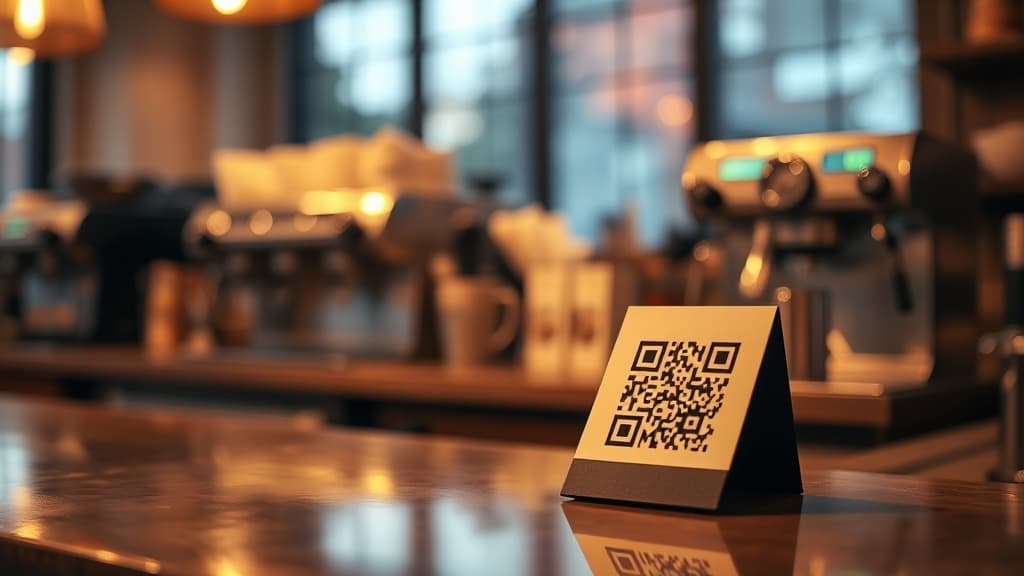
A QR tip jar gives every audience member a way to tip with the phone already in their hand. You display a code, on your guitar case, mic stand, posters, setlists or merch, and fans scan it with their camera. A tipping page opens instantly; they pay by card, Apple Pay or Google Pay in seconds, with no app and no sign-up.
With JamJar, setup is free: you connect a UK bank account through Stripe once, and tips can be withdrawn to your bank in 2–3 business days. Fans can also leave a rating and a message with their tip, favourite song, a request, honest feedback, which becomes surprisingly valuable for shaping your set and backing up your booking profile. The standard fee is 20% (+VAT) per tip, dropping to 0% for Jamma Premium subscribers.
We have written a full walkthrough of how QR code tip jars work if you want the detail. The short version: this is the option built specifically for the moment a crowd wants to tip a performer, and it shows.
Option 2: contactless card readers
The tap-to-pay readers from SumUp, Zettle and Square (£20–£120 depending on model) work well for merch sales, and some acts use them for tips too. Transaction fees run 1.5–2.5%. But readers have real drawbacks as tip jars: someone has to hold the device and set the amount, which means interrupting the set or staffing the merch table; the reader needs charging and a connection; and it captures one tipper at a time.
Contrast that with a QR code, which serves the whole room simultaneously while you keep playing. Verdict: a reader earns its keep if you sell merch anyway, but as a pure tipping tool it is the clunkier choice.
Option 3: payment links and bank transfers
Some musicians put a PayPal.Me link or bank details on a sign. It is free or nearly free, but the friction is fatal: the fan must type a URL, log in to an account, and navigate a checkout designed for shopping, not tipping. PayPal fees for goods-and-services payments run around 2.9% plus 30p, and 'friends and family' tipping sits in awkward territory for anything that is really income.
Bank transfer is worse still, nobody at a gig is typing your sort code into their banking app between songs. These options cost you tips through sheer awkwardness. Use them as a fallback, never as the main jar.
Comparing your options at a glance
Here is how the main routes stack up for a gigging musician in 2026:
- QR tip jar (JamJar): free setup, no hardware; 20% (+VAT) standard fee, 0% on Jamma Premium; payout to your bank in 2–3 business days; whole crowd can tip at once; includes ratings and fan messages.
- Card reader: £20–£120 hardware plus 1.5–2.5% fees; instant tap but one person at a time, and someone has to operate it.
- PayPal link: no hardware, ~2.9% + 30p fees; requires the fan to have and log into a PayPal account.
- Bank transfer sign: free, but near-zero uptake at a live gig.
- Cash bucket: free, and increasingly empty.
The tax bit (in plain English)
Tips are taxable income in the UK, whether they arrive as coins or contactless, going digital does not change what you owe, it just makes your records tidier. If you are self-employed (most gigging musicians are), tips count towards your self-assessment income alongside gig fees.
Two useful things to know. The trading allowance means your first £1,000 of self-employment income in a tax year can be tax-free without even registering, relevant if music is a side gig. And digital tips come with a clean statement of every payment, which makes January's tax return far less painful than a shoebox of guesses about what the bucket held. As ever, chat to an accountant about your specific situation.
Does cashless actually earn more? The evidence
Real-world results say yes, decisively. One band using JamJar earned their biggest-ever fee at a London gig once QR tips were stacked on top of the booking money. At Wokingham Festival, JamJar ran across a whole stage for a day, and every artist on the bill went home with extra income plus a stream of written crowd feedback.
The logic is simple: when 100% of the audience can tip instead of the 5% carrying cash, more tips happen. Then the feedback loop kicks in, you learn which songs land, your booking profile fills with genuine praise, and better gigs follow. If you are building a career, pair your tip jar with a profile on Jamma Music so those five-star gig nights convert into bookings.
For tactics on presentation, sign wording and stagecraft that lift tip totals further, see our guide to getting more tips at gigs.
When the whole crowd can tip, not just the handful with cash, the jar finally reflects how the gig actually went.
Frequently asked questions
What is the best cashless tipping method for musicians in the UK?+
For live gigs, a QR code tip jar is the strongest option: the whole audience can tip simultaneously by card, Apple Pay or Google Pay with no app or sign-up, and there is no hardware to buy or operate mid-set.
Do I pay tax on digital tips?+
Yes, tips are taxable income in the UK regardless of how they are paid. Digital tips actually help here, because you get a clean record of every payment for your self-assessment return.
How fast do cashless tips reach my bank account?+
With JamJar, you connect a UK bank account via Stripe once, and tips can be withdrawn to your bank in 2–3 business days.
Is a card reader worth it just for tips?+
Usually not. Readers cost £20–£120, need an operator and serve one tipper at a time. They make sense if you also sell merch; for tips alone, a QR code serves the whole room while you keep playing.
What fees will I pay on QR tips?+
JamJar charges 20% (+VAT) per tip on the standard free plan, and 0% platform fee for Jamma Premium subscribers.