JamJar as a standalone tipping system: live before tonight's service
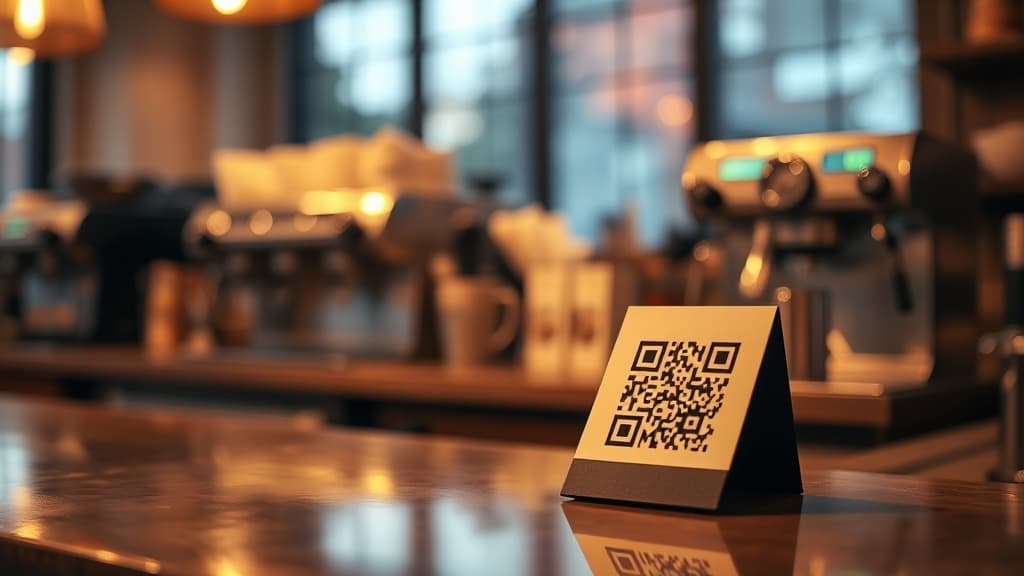
Most tipping products want you to adopt a whole ecosystem before anyone earns a penny: new hardware at the till, an app your staff must install, a rollout meeting. JamJar takes the opposite bet. It is a complete tipping system on its own, and you can have it taking real card tips the same afternoon you set it up.
No terminal, no app for guests, no integration project. A QR code on a card, a stand or a poster; a tap-to-tip page behind it; Stripe moving the money. That's the entire footprint. Everything else Jamma does, gigs, bookings, team analytics, is there when you want it, and invisible when you don't.
What 'standalone' actually means
It means the tipping system doesn't depend on anything else. A pub that just wants its Saturday acoustic act to get tipped can print one QR. A restaurant that wants each server to keep their own tips can give every team member a personal jar in minutes. Neither has to touch the booking marketplace, the directory, or anything with 'platform' in the name.
Guests never create accounts and never download anything. They scan, pick an amount, pay with Apple Pay, Google Pay or card, optionally tap a feedback chip and leave a rating. Ten seconds, done, and the live demo jar lets you try that exact flow right now.
Setup, minute by minute
- Create a free account and pick 'staff' or 'artist', you get a personal jar and QR instantly.
- Download the QR (or the ready-made A5 poster) and print it.
- Put it where the thank-yous happen: the bar, the table card holder, the guitar case.
- Tips land from the first scan, even before you've connected a bank (they accrue and settle the moment you do).
- Venues: repeat for each team member, and you get a team board with ratings, tags and a review funnel on top.
The whole install is a piece of paper.
Why individual jars beat a pooled pot
Pooled tipping flattens your best people into the average. Individual jars do the opposite: the guest tips *Mia*, Mia sees the message ('star of the night'), and Mia's track record grows. Under the 2024 Tipping Act, transparency about who gets what is no longer optional, a system where each tip is recorded to the named person is the cleanest possible answer.
For the venue, the by-product is gold: a live feed of ratings and tagged feedback per shift, and a one-tap nudge that turns your happiest guests into Google reviews.
The maths
Free plan: 24% platform fee on tips, no monthly cost, no contract, genuinely zero risk to trial. Premium (£9.99/mo) drops the fee to roughly card-processing cost. A server taking £400 a month in tips is better off on Premium within the first week; the pricing page has the full comparison.
And when you're ready for more, live music nights booked through the platform, staff career profiles, leaderboards, it's a switch to flick, not a migration. That's the quiet advantage of a tipping system that happens to have a whole stage behind it.
Frequently asked questions
Do guests need an app to tip?+
No. The QR opens a web page; they pay with Apple Pay, Google Pay or any card in about ten seconds. No download, no sign-up.
Can we use JamJar without the gig-booking side?+
Yes, JamJar is fully standalone. Many venues run it purely as their tipping system. The booking marketplace is there if you ever want it, but nothing about tipping depends on it.
How fast can a whole team be live?+
A five-person team is typically live within an hour: each person creates a jar, the venue prints five QR cards, done. Tips accrue even before bank details are connected.