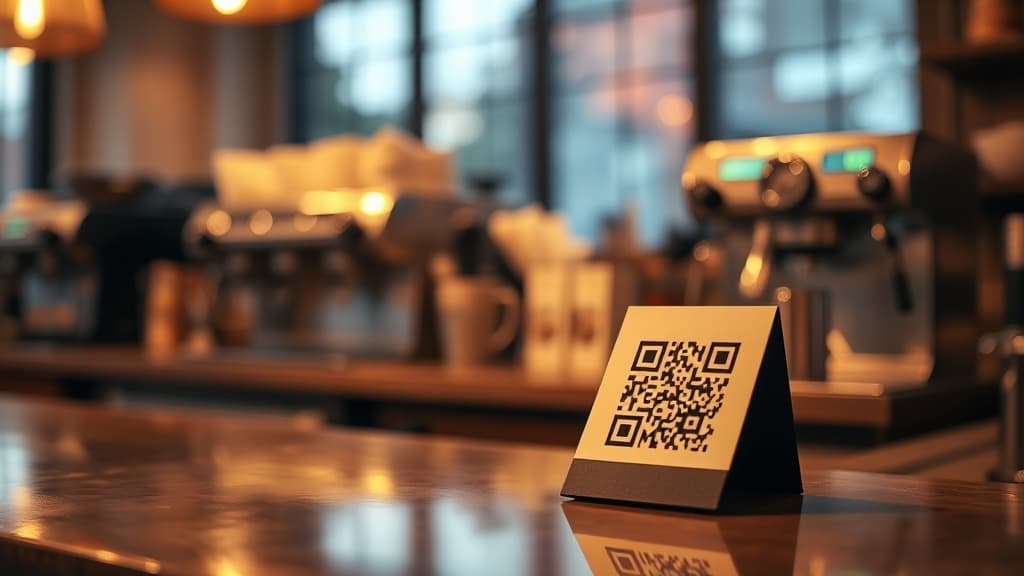
QR code tip jars: how they work (and why performers love them)

Ask any gigging musician about the tip jar and you will hear the same story: the crowd loved the set, plenty of people said so on the way out, and the jar at the front of the stage held about £7.40 and a button. It is not that people don't want to tip, it is that almost nobody carries cash any more. UK Finance figures show cash now accounts for barely one in ten payments in the UK, and at a Friday-night gig crowd it is even lower.
A QR code tip jar fixes that mismatch. Someone in the crowd points their phone camera at a code, a tipping page opens instantly, and they pay by card, Apple Pay or Google Pay in about ten seconds. No app to download, no account to create, no awkward fumbling at the merch table. Here is exactly how it works, what it costs, and why performers who try one rarely go back to the bucket.
What a QR code tip jar actually is
A QR code tip jar is a personal payment page linked to a scannable code. The code itself is just a shortcut, the clever part is the page behind it. With JamJar, that page shows the performer's name and photo, a few one-tap tip amounts, and a box for the fan to leave a rating and a message ('fav song, feedback…').
The performer sets it up once: create the jar, connect a UK bank account through Stripe (the same payments company behind millions of UK businesses), and download the QR code. From then on, every tip lands in their JamJar balance and can be withdrawn to the bank in 2–3 business days.
For the person tipping, there is genuinely nothing to install. Every modern iPhone and Android phone opens QR codes straight from the camera. Scan, tap an amount, pay with the card already saved to Apple Pay or Google Pay, done.
The fan's journey, step by step
It helps to see how frictionless this is from the audience side, because friction is what kills tips. Here is the whole journey:
- The fan points their phone camera at the QR code on the guitar case, poster or table card.
- A tipping page opens in the browser, no app store, no download.
- They tap a suggested amount (say £3, £5 or £10) or type their own.
- They pay with Apple Pay, Google Pay or a card. It takes one thumbprint or face scan.
- Optionally, they leave a star rating and a short message, a favourite song, a request, a compliment.
From camera to confirmation in about ten seconds. That is the difference between an impulse tip and a missed one.
Why the feedback matters as much as the money
The tip is the headline, but the message that comes with it is quietly one of the most useful things a performer can collect. When a fan writes 'the Fleetwood Mac cover was unreal' at 9.47pm on a Saturday, that tells you exactly which songs to keep in the set and which to drop.
Over a few months you build a genuine picture of what audiences respond to, real data from real crowds, not guesswork. Function bands use it to sharpen their wedding sets; solo acts use it to work out which venues suit them. And a stack of five-star ratings with named compliments is far more persuasive on a booking profile than 'great band, ask anyone'. If you are trying to win more bookings on Jamma Music, that feedback trail does a lot of the selling for you.
What it costs (and what it doesn't)
JamJar is free to set up, no hardware, no subscription, no card reader to buy. The standard platform fee is 20% (+VAT) per tip, which covers card processing, the tipping pages, payouts and the feedback tools. Jamma Premium subscribers pay 0% platform fee, only standard card processing applies, so virtually the whole tip reaches the performer.
Compare that with the alternatives. A card reader costs £20–£120 up front, needs charging, needs someone to operate it mid-set, and still charges 1.5–2.5% per transaction. A cash bucket costs nothing but captures almost nothing, because the audience simply is not carrying cash. The honest maths for most acts: a QR jar that collects £60 a gig beats a bucket that collects £8, whatever the fee structure.
Where to put your QR code
Placement is half the game. The code needs to be visible at the exact moment someone feels the urge to tip, usually right after a big song, or as they are leaving. Performers get creative here:
- A printed card or board in the guitar case or on the mic stand, the classic spot.
- On gig posters and setlists, so it is in eyeshot all night.
- On merch tables, next to the CDs and T-shirts.
- Stuck to the side of an amp or keyboard at eye level.
- Shared on socials and livestreams, the same code works online, so fans who could not make the gig can still tip.
Does anyone actually use them? The proof
Fair question, new tech at gigs often gets ignored. But the results from real UK stages say otherwise. One band using JamJar earned their biggest-ever fee at a London gig, with QR tips stacking on top of their booking fee. And at Wokingham Festival, JamJar ran across an entire stage for a full day: every single artist who played walked away with extra money, plus a stream of crowd feedback they would never otherwise have seen.
The pattern is consistent: when tipping takes ten seconds and no cash, far more people do it. The audience always wanted to tip, the jar just finally caught up with their wallets.
Setting one up before your next gig
The whole setup takes minutes: create your jar, connect your UK bank account via Stripe, print your code (or just save it to your phone), and put it somewhere visible. Mention it once or twice from the mic, 'if you have enjoyed the set, there is a QR code on the case', and let the crowd do the rest.
If you want the deeper playbook on maximising what comes in, read our guide on how to get more tips at gigs. And if you are a busker wondering about street-performance specifics, we have covered card payments for buskers separately.
Frequently asked questions
Do fans need an app to tip through a QR code?+
No. The QR code opens a web page in the phone's browser. Fans pay by card, Apple Pay or Google Pay with no app download and no sign-up.
How quickly do I get my tips?+
Tips collect in your JamJar balance and can be withdrawn to your UK bank account in 2–3 business days. You connect your bank once, via Stripe, during setup.
What does a QR code tip jar cost?+
JamJar is free to set up with no hardware. The standard fee is 20% (+VAT) per tip; Jamma Premium subscribers pay 0% platform fee.
Can people leave feedback with their tip?+
Yes, tippers can add a star rating and a message, such as their favourite song or a request. Over time this builds genuine audience insight and social proof for bookings.
Where should I display my QR code?+
Anywhere the audience looks at the moment they want to tip: a card in the guitar case, on the mic stand, gig posters, setlists, the merch table, or shared on your socials.